You've probably heard of shadow IT—employees using unauthorized software without IT approval. Shadow AI is its more dangerous cousin, and it's already in your organization.
The Definition
Shadow AI refers to artificial intelligence tools, services, and applications that employees use without explicit approval, security review, or oversight from IT and security teams.
This includes:
- ChatGPT, Claude, Gemini, and other AI assistants accessed via browser
- AI-powered browser extensions
- AI features embedded in existing tools (Notion AI, Grammarly, etc.)
- AI coding assistants like GitHub Copilot
- AI image generators
- Automated workflow tools with AI components
The Scale of the Problem
According to Gartner's 2025 survey, 69% of organizations either suspect or have evidence that employees are using prohibited generative AI tools. But here's the uncomfortable truth: the actual number is likely higher because most shadow AI usage is invisible to traditional security tools.
A 2025 workforce study found that 60% of employees now use AI tools at work, but only 18.5% know their company has an AI policy. That gap—between usage and governance—is where risk lives.
Why Employees Use Unauthorized AI
Understanding the "why" matters for solving the problem. Employees aren't trying to create security risks—they're trying to do their jobs better.
Common motivations:
- Productivity pressure: AI can draft emails, summarize documents, and generate code in seconds
- Competitive anxiety: Colleagues using AI seem more productive
- Tool gaps: Official tools don't meet their needs
- Friction avoidance: Procurement processes are slow; signing up for ChatGPT takes 30 seconds
- Ignorance: They genuinely don't realize there's a risk
The Real Risks
Shadow AI isn't just a policy violation—it creates concrete, measurable business risks.
Data Exposure
When employees paste sensitive information into AI tools, that data may be:
- Stored on external servers
- Used to train future AI models
- Accessible to the AI provider's employees
- Subject to foreign government access requests
Example: A billing clerk at a medical practice pastes patient information into ChatGPT to help draft letters. That protected health information (PHI) is now outside the organization's control.
Compliance Violations
Regulated industries face specific AI-related requirements:
- HIPAA: AI tools processing PHI must have Business Associate Agreements
- GDPR: Data transfers to AI services may violate EU data protection rules
- SOX: AI-assisted financial analysis may create audit trail gaps
- Industry regulations: SEC, FINRA, and others increasingly scrutinize AI use
Intellectual Property Risks
When employees input proprietary information into AI tools:
- Trade secrets may lose legal protection
- Confidential client information may be exposed
- Competitive advantages may be compromised
- AI outputs may create copyright ambiguity
Decision Quality
AI tools can hallucinate—generating plausible-sounding but incorrect information. Without governance:
- Legal briefs cite non-existent cases
- Financial analyses contain fabricated data
- Technical documentation includes wrong specifications
- Customer communications contain false promises
The Cost of Getting It Wrong
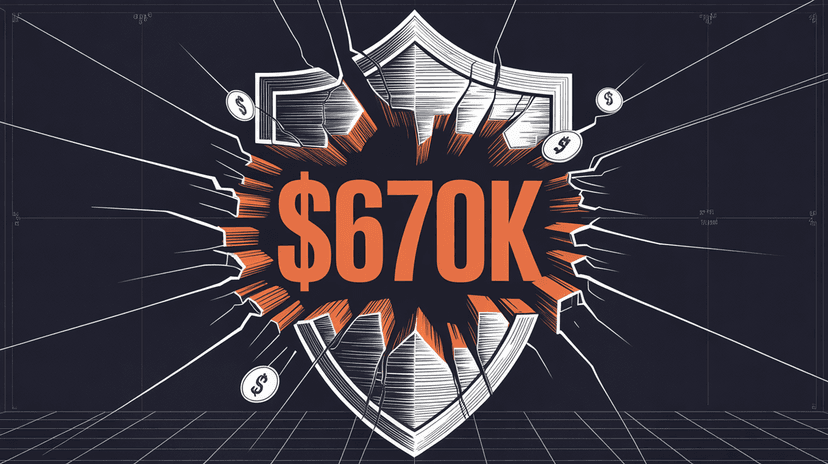
IBM's 2025 Cost of Data Breach Report found that organizations with shadow AI involvement in their breach paid $670,000 more on average. Even more striking: 97% of breached organizations lacked proper AI access controls.
That's not a coincidence—it's a pattern.
What You Can Do
The goal isn't to ban AI—that's both impractical and counterproductive. The goal is to bring shadow AI into the light through visibility, policy, and approved alternatives.
Step 1: Get Visibility
You can't govern what you don't know exists. Start with discovery:
- Analyze network traffic for AI service domains
- Audit corporate card statements for AI subscriptions
- Survey employees (anonymous surveys get more honest answers)
- Review OAuth integrations in Google Workspace and Microsoft 365
Step 2: Create Clear Policy
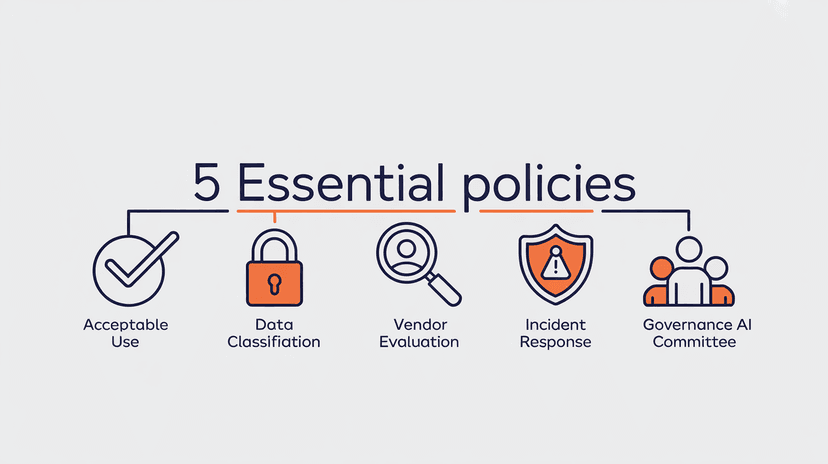
Employees need to know what's allowed, what's not, and why. An effective AI Acceptable Use Policy covers:
- Approved vs. prohibited AI tools
- Data that can/cannot be used with AI
- Required approvals for new AI tools
- Incident reporting procedures
Step 3: Provide Approved Alternatives
If you ban ChatGPT without providing an alternative, employees will use it anyway—they'll just hide it better. Consider:
- Enterprise AI tools with appropriate security controls
- API-based solutions that don't retain data
- On-premise or private cloud AI options for sensitive use cases
Step 4: Train Your Team
Policy without training is just a document. Ensure employees understand:
- What shadow AI is and why it matters
- How to identify AI-related risks
- What to do if they've already used unauthorized AI
- How to request approval for new tools
The Bottom Line
Shadow AI is already in your organization. The question isn't whether you have it—it's whether you know about it and have a plan to manage it.
Organizations that address shadow AI proactively can harness AI's productivity benefits while managing its risks. Those that ignore it are betting their security, compliance, and reputation on employee behavior they can't see or control.
Next Steps
Assess your risk: Take our free AI Risk Assessment to understand where your organization stands.
Get the toolkit: Our Toolkit includes everything you need to discover, assess, and govern AI in your organization.
Talk to an expert: Schedule a consultation to discuss your specific situation.